Chionanthus foveolatus (Pokysterhout)

R650,00

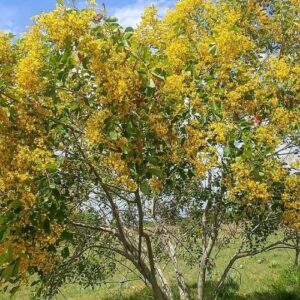
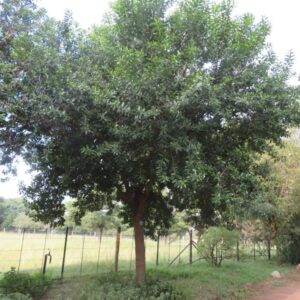
Chionanthus foveolatus (Pock-ironwood / Pokysterhout) is an elegant, indigenous South African evergreen tree known for its glossy dark foliage, fragrant white flowers, and neat, formal growth habit. Belonging to the olive family (Oleaceae), it is a refined choice for estate landscaping.

Quick Specs

Tree Type: Indigenous Evergreen

Mature Height: 3 to 5 m in cultivation (up to 15 m in deep forest settings)

Growth Rate: Slow to moderate

Sun Exposure: Full sun to semi-shade

Water Needs: Low to moderate (drought-hardy once established)

Frost Tolerance: Moderate to good once mature

National Tree Number: 615

Key Features & Characteristics

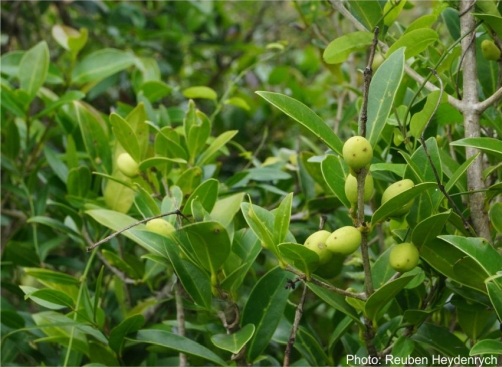
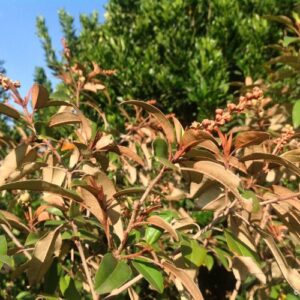
Foliage: Deep green, highly polished leaves that stay lush year-round. The common name foveolatus comes from the microscopic pits (domatia) found in the axils of the leaf veins on the underside, which look like tiny pockmarks (hence Pokysterhout).

Flowering: From spring to early summer (October to December), the tree produces dense sprays of small, sweetly scented, creamy-white flowers that attract bees, butterflies, and nectar-feeding insects.

Fruit: Fleshy, oval, olive-like fruits turn purple-black when ripe. These serve as an abundant food source for fruit-eating birds like loeries (turacos) and pigeons.

Bark & Wood: Light grey, relatively smooth bark that darkens with age. Historically, its timber was prized for being exceptionally hard, tough, and durable (giving rise to the “ironwood” name).
3 in stock

Category:

Description

Chionanthus foveolatus (Pock-ironwood / Pokysterhout) is an elegant, indigenous South African evergreen tree known for its glossy dark foliage, fragrant white flowers, and neat, formal growth habit. Belonging to the olive family (Oleaceae), it is a refined choice for estate landscaping.

Quick Specs

Tree Type: Indigenous Evergreen

Mature Height: 3 to 5 m in cultivation (up to 15 m in deep forest settings)

Growth Rate: Slow to moderate

Sun Exposure: Full sun to semi-shade

Water Needs: Low to moderate (drought-hardy once established)

Frost Tolerance: Moderate to good once mature

National Tree Number: 615

Key Features & Characteristics

Foliage: Deep green, highly polished leaves that stay lush year-round. The common name foveolatus comes from the microscopic pits (domatia) found in the axils of the leaf veins on the underside, which look like tiny pockmarks (hence Pokysterhout).

Flowering: From spring to early summer (October to December), the tree produces dense sprays of small, sweetly scented, creamy-white flowers that attract bees, butterflies, and nectar-feeding insects.

Fruit: Fleshy, oval, olive-like fruits turn purple-black when ripe. These serve as an abundant food source for fruit-eating birds like loeries (turacos) and pigeons.

Bark & Wood: Light grey, relatively smooth bark that darkens with age. Historically, its timber was prized for being exceptionally hard, tough, and durable (giving rise to the “ironwood” name).

Reviews

There are no reviews yet.

Be the first to review “Chionanthus foveolatus (Pokysterhout)”

Your email address will not be published. Required fields are marked *